Spider Plate Repair
Cracked or damaged spider plates are restored to maintain secure brake assembly mounting and reliable braking power.
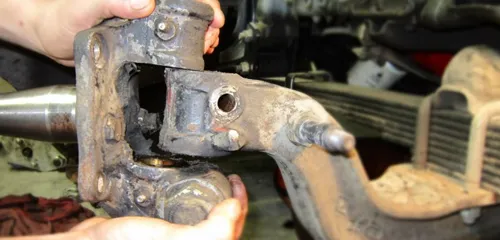
Spider Plate Repair in Northern California
Professional On Site Spider Plate Repair
The spider plate is a vital part of your axle assembly. It anchors the brake components, ensuring they remain aligned and secure. When a spider plate cracks or becomes damaged, it doesn’t just affect braking performance — it creates a serious safety hazard. Ignoring the problem risks complete brake failure and costly downtime.
At Axle Surgeons™ of Northern California, we provide mobile spider plate repair using our proven, patented process. Instead of removing the axle housing or transporting your vehicle to a shop, our technicians repair the spider plate directly on site.
For over 50 years, we have delivered reliable spider plate repairs to truck owners, fleet managers, and equipment operators throughout Northern California and Southern Oregon.
How Spider Plate Repair Works — Step by Step
Spider plate repair requires specialized knowledge of brake assemblies and precise metalworking techniques. Here is how our technicians handle the job:
-
Brake inspection and disassembly. The brake drum, shoes, hardware, and s-cam assembly are removed to expose the spider plate. Our technician inspects the entire brake assembly for additional wear or damage while the components are accessible.
-
Damage assessment. The spider plate is carefully examined for cracks, worn anchor pin holes, wallowed-out s-cam bushing bores, and any deformation. We measure all critical dimensions and determine the scope of repair needed.
-
Crack repair. If the spider plate has cracks, they are repaired using controlled welding procedures with proper preheat and interpass temperatures to prevent further cracking. The weld area is blended smooth to restore the original contour.
-
Anchor pin bore restoration. Worn anchor pin holes are a common problem. Our technicians bore the holes to a precise oversize dimension and install hardened steel bushings that restore the original bore diameter. This eliminates the play that causes brake shoe misalignment and noise.
-
S-cam bushing bore repair. The s-cam bushing bore is machined to specification and fitted with a new bushing, ensuring the s-cam operates smoothly and maintains proper alignment with the brake shoes.
-
Reassembly and testing. All brake components are reinstalled with new hardware where necessary. The technician adjusts the brakes to proper specification, verifies the s-cam operates freely, and checks that the shoes make proper contact with the drum.
What Causes Spider Plate Damage
Spider plates are designed to last, but they operate in a harsh environment and are subject to significant forces. Common causes of spider plate damage include:
- Fatigue cracking. Years of cyclic loading from braking forces eventually cause stress cracks to develop, particularly around the anchor pin holes and mounting bolt locations. This is more common on vehicles that operate in hilly or mountainous terrain where brakes are used heavily.
- Worn anchor pin holes. Every time the brakes are applied, the shoes push against the anchor pins, which push against the spider plate. Over hundreds of thousands of brake applications, the anchor pin holes wear oversize, allowing the shoes to shift and reducing braking effectiveness.
- S-cam bushing bore wear. The s-cam rotates inside the spider plate bushing every time the brakes are applied and released. Without proper lubrication, this bore wears oversize, causing the s-cam to misalign and the brake shoes to apply unevenly.
- Corrosion. Road salt, moisture, and chemical exposure weaken the spider plate material over time, making it more susceptible to cracking.
- Impact damage. Road debris kicked up by other vehicles or contact with curbs and obstacles can crack or deform a spider plate.
- Brake overheating. Severe or prolonged braking — common on mountain grades — can heat the spider plate to temperatures that weaken the material and cause warping.
Signs Your Spider Plate Needs Repair
Watch for these warning signs that indicate spider plate problems:
- Grinding or scraping noise during braking — indicates the brake shoes are shifting on worn anchor pins
- Uneven brake wear — one shoe wearing faster than the other on the same wheel typically points to a spider plate issue
- Visible cracks in the spider plate when inspected during routine brake service
- Excessive brake shoe movement — if the shoes have play or rattle when the brakes are not applied, the anchor pin bores are likely worn
- S-cam binding or sticking — a worn s-cam bushing bore causes the s-cam to drag, leading to premature brake wear and overheating
- Failed brake inspection — worn spider plate components are a common cause of out-of-service violations during DOT inspections
Brake problems are never something to put off. A compromised spider plate can lead to uneven braking, extended stopping distances, and in the worst case, complete brake failure.
Why Mobile Spider Plate Repair Is the Smart Choice
Spider plate repair in a traditional shop means the vehicle is out of service for the entire time it takes to tow it, wait for bay availability, perform the repair, and return it to service. That is typically two to four days of lost productivity.
With our mobile service, we come to wherever the vehicle is parked. The repair is performed on site, and in most cases, the vehicle is back in service the same day. For fleet operators managing tight delivery schedules, this can mean the difference between making a load or not.
Our mobile units carry all the specialized equipment needed for spider plate repair, including portable boring bars, welding equipment, and a full inventory of bushings and hardware. There is nothing we need from a shop that we do not already have on the truck.
Vehicle Types We Service
Spider plate repair is available for:
- Class 6, 7, and 8 commercial trucks
- All types of commercial trailers — flatbed, dry van, reefer, tanker, and specialty
- School buses and transit buses
- Dump trucks, concrete mixers, and refuse trucks
- Fire apparatus and emergency vehicles
- Agricultural trucks and equipment
- Military vehicles and government fleet units
- Any vehicle equipped with s-cam drum brakes
What’s Included
- On site spider plate crack repair and restoration
- Anchor pin and s-cam bushing service
- Brake assembly alignment verification
- High grade U.S. steel materials
- Mobile service at your location — no towing needed
Why Choose Us for Spider Plate Repair
Brake spiders can become damaged over time, resulting in loose anchor pins or worn s-cam bushings. Our patented mobile process allows us to restore the spider plate without removing the axle housing, getting you back on the road safely and quickly.
Frequently Asked Questions About Spider Plate Repair
How much does spider plate repair cost? The cost varies depending on the extent of damage — a simple anchor pin bushing replacement is less expensive than a full crack repair with bore restoration. Because our mobile service eliminates towing and shop overhead, most customers find our pricing very competitive. Call (877) 999-2953 for a free estimate.
Can a cracked spider plate be repaired, or does it need to be replaced? In most cases, cracked spider plates can be successfully repaired using controlled welding procedures. We repair cracks, restore worn bores, and return the plate to full service strength. Complete spider plate replacement is only necessary when the damage is too extensive for repair, which is relatively uncommon.
How do I know if my spider plate is bad? The most common signs are unusual noise during braking, uneven brake shoe wear, and visible cracks during brake service. If your brakes are not performing as well as they should even after adjustment and shoe replacement, the spider plate is a likely culprit. A qualified technician can inspect the anchor pin bores and s-cam bushing bores to determine if the spider plate needs service.
Will a damaged spider plate cause a DOT violation? Yes. Cracked spider plates, worn anchor pin bores, and excessively worn s-cam bushings are all items that can result in an out-of-service violation during a DOT roadside inspection or annual vehicle inspection. Keeping spider plates in good repair is essential for compliance.
How often should spider plates be inspected? Spider plates should be inspected every time a brake job is performed — at minimum during annual DOT inspections. Vehicles operating in severe conditions such as mountain routes, construction sites, or refuse hauling should have more frequent inspections due to the higher stress on brake components.
Ready to Get Started?
Contact us today at (877) 999-2953 or request a free quote.
Ready to Get Started?
Contact us today and take the first step. Free consultations available.